Artist Biography
Gonçalo Mabunda
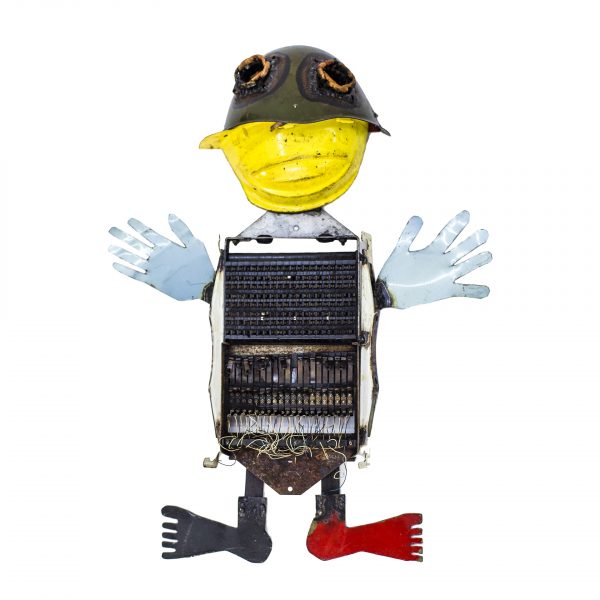
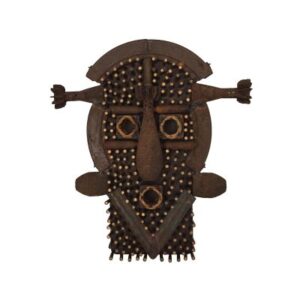
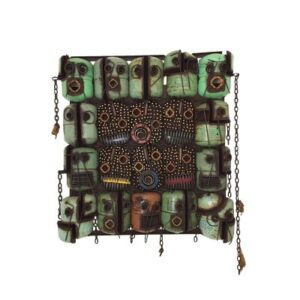
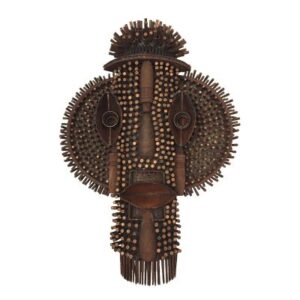
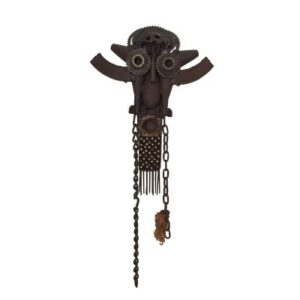
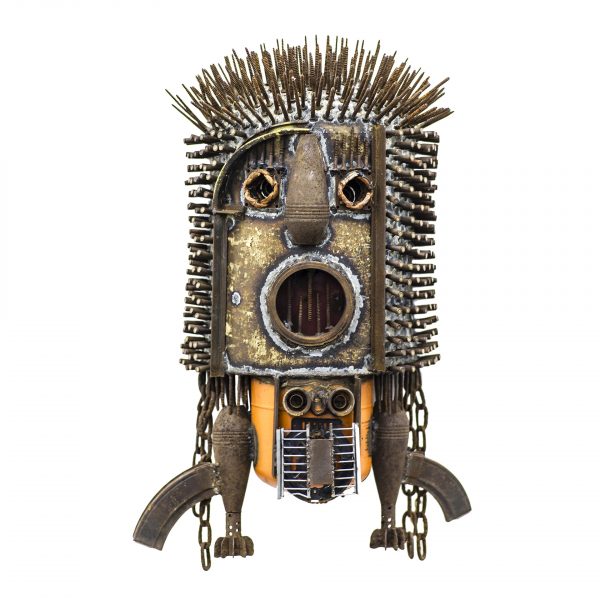
Gonçalo Mabunda draws on the collective memory of his country, Mozambique, which has only recently emerged from a long and terrible civil war. He works with arms recovered in 1992 at the end of the sixteen-year conflict that divided the region.
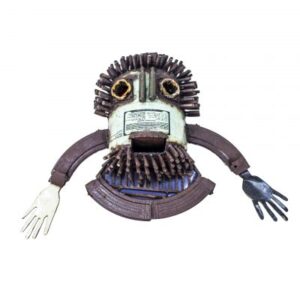
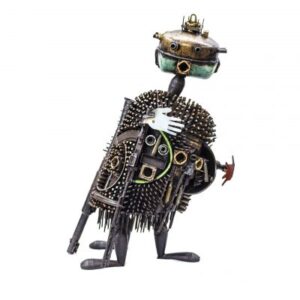
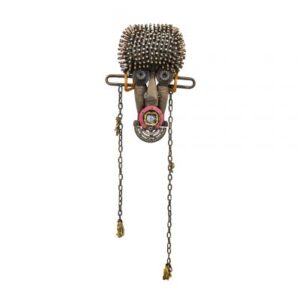
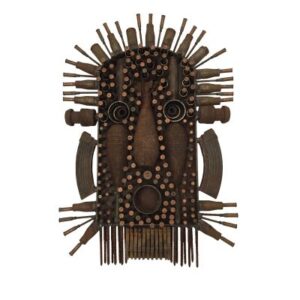
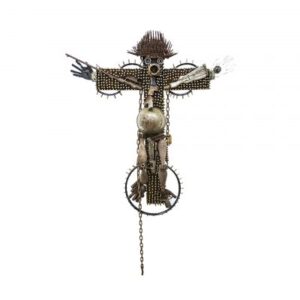
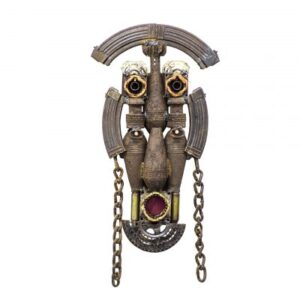
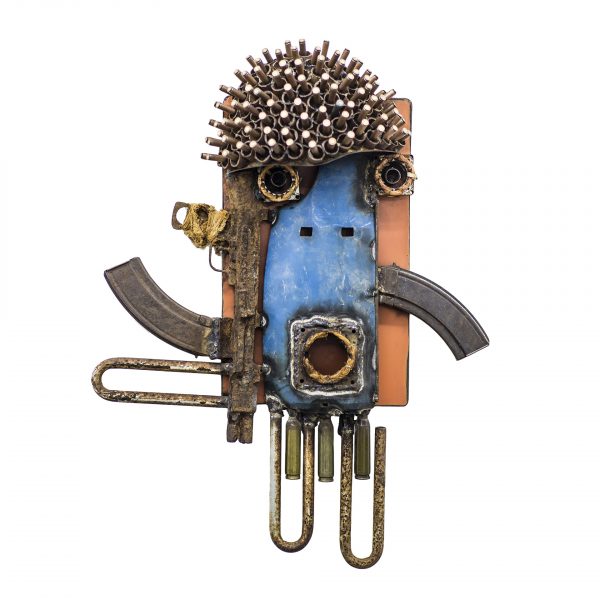
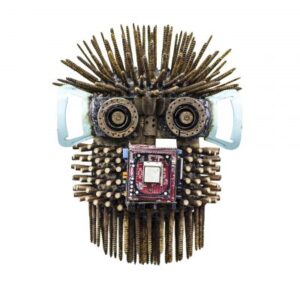
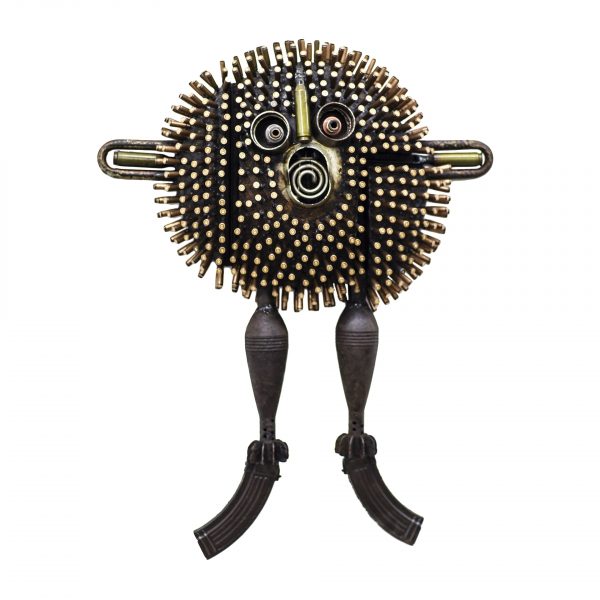
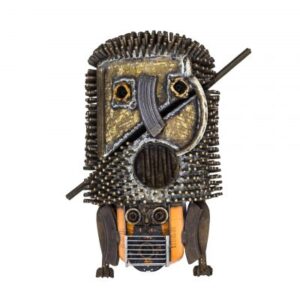
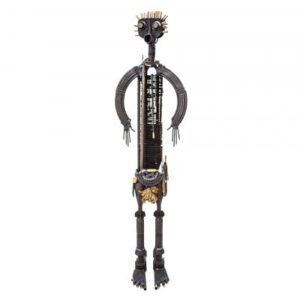
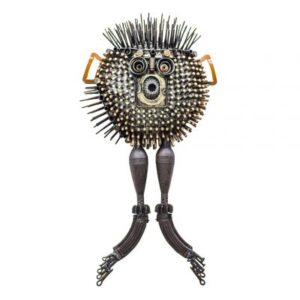
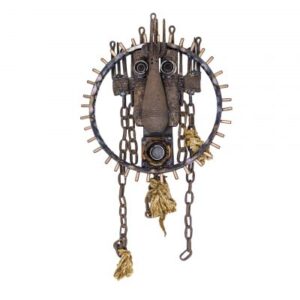
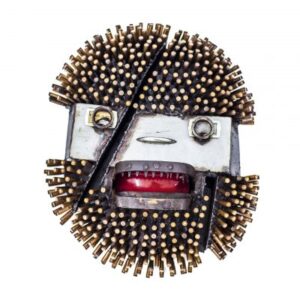
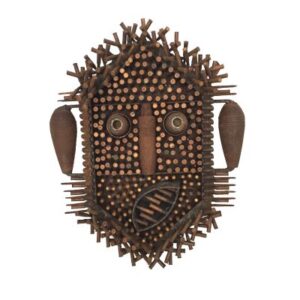
In his sculpture, he gives anthropomorphic forms to AK47s, rocket launchers, pistols and other objects of destruction. While the masks could be said to draw on a local history of traditional African art, Gonçalo Mabunda ’s work takes on a striking Modernist edge akin to imagery by Braque and Picasso. The deactivated weapons of war carry strong political connotations. The beautiful objects he creates also convey a positive reflection on the transformative power of art. His work indeed conveys a message of resilience and creativity of African civilian societies.
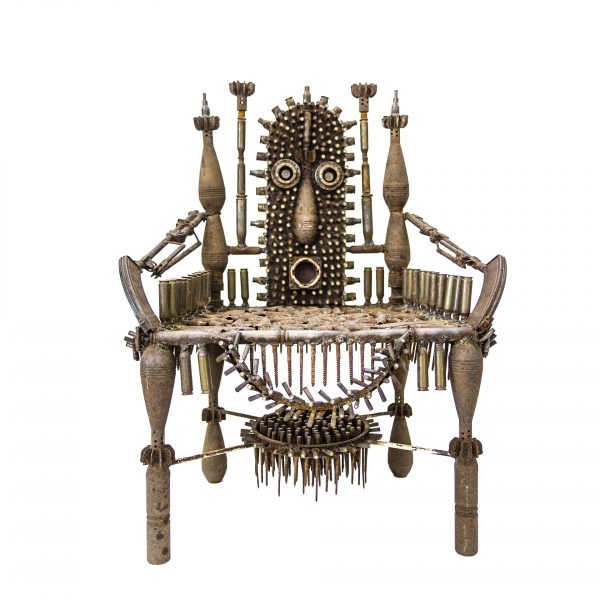
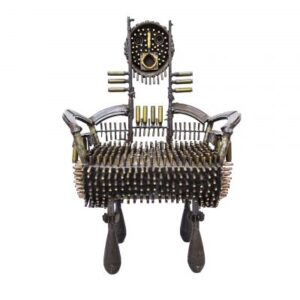
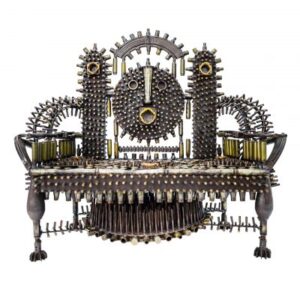
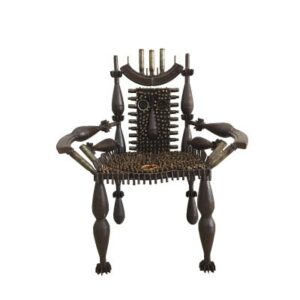
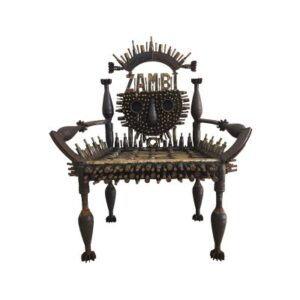
Mabunda is famous also for his thrones. According to the artist, the thrones function as attributes of power. He uses tribal symbols and traditional pieces of ethnic African art. They are without a doubt an ironic way of commenting on his childhood experience. An experience made often of violence and absurdity. The civil war in Mozambique that isolated his country for a long period, but a new era started.